Why Contracting a Residential Electrician Is Indispensable for Home Security!
Hiring a residential electrician is essential for ensuring home safety. Many homeowners downplay the intricacies of power distribution networks. DIY efforts can result in serious dangers, such as power-related blazes or electrical injuries. Licensed electricians bring vital expertise, ensuring compliance with local regulations and safety standards. The consequences of ignoring proper electrical work can be catastrophic. Recognizing the importance of professional help can make a significant difference in home safety. What specific advantages can these experts offer?
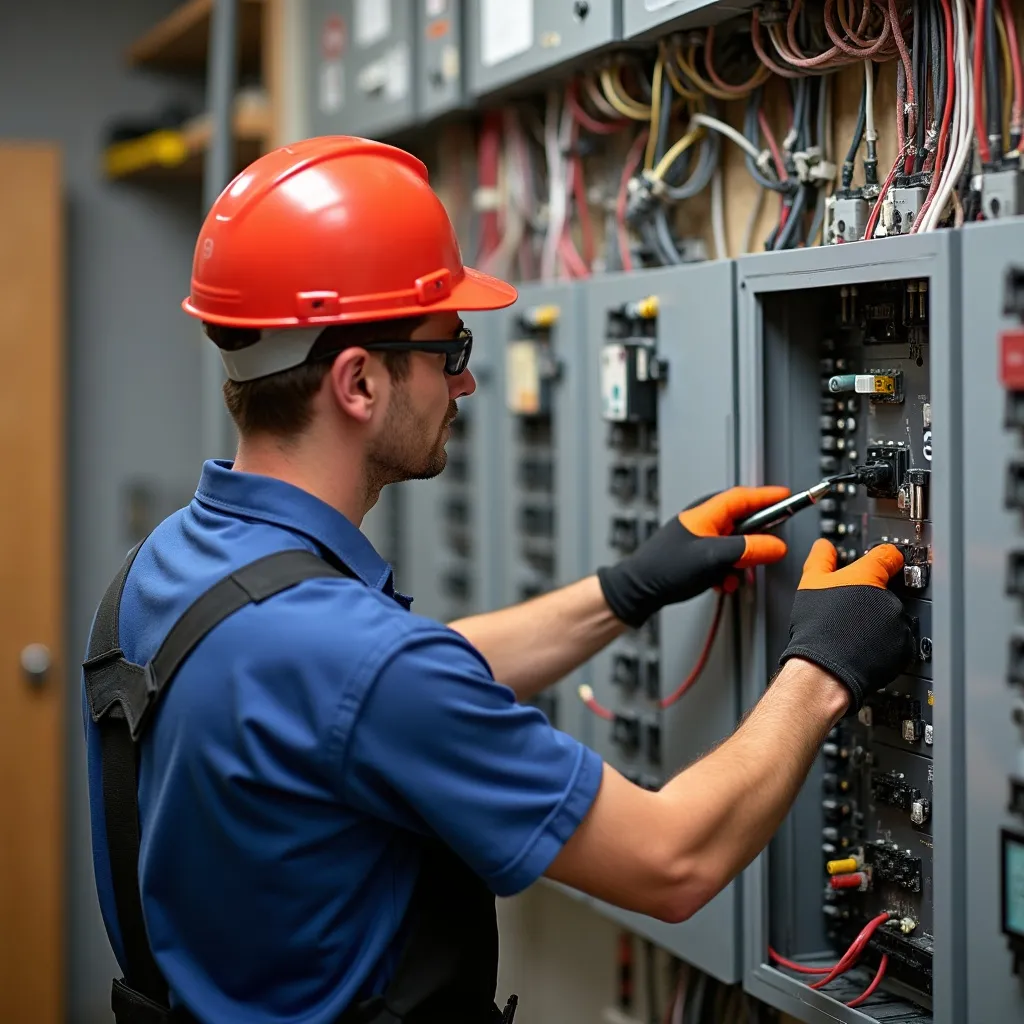
Recognizing the Hazards of DIY Electrical Work
Engaging in do-it-yourself electrical projects can seem appealing for homeowners seeking to reduce costs, but it carries considerable risks. Many people overlook the complexity of electrical systems, often leading to improper installations or repairs. This absence of professional knowledge can result in electrical failures, fires, or electrocutions, putting at risk both the property owner and their residence.
Moreover, DIY work may not conform to local building codes, which might result in legal complications or costly fines.
Moreover, in the absence of the proper tools and safety equipment, homeowners may subject themselves to hazardous situations. Even ostensibly easy projects, such as swapping out a light fixture, can have unanticipated problems if not executed correctly.
A consideration that merits attention is the potential for sustained deterioration to the home's electrical components.
The Competence That Maintains Your Home Safe
When tackling home security concerns, a residential electrician's expertise proves essential.
They conduct detailed safety examinations, making sure all systems are working properly and satisfy regulatory standards.
In addition, their awareness of code regulations and proficient fixing skills prevent potential hazards before they materialize as serious issues.
Complete Security Inspections
A detailed safety assessment performed by a qualified residential electrician is important for keeping a protected home environment. During this process, electricians inspect wiring, sockets, and electrical panels to identify potential dangers.
They evaluate for worn components that may pose fire risks or cause electrical failures. Additionally, they review the grounding and bonding systems to ensure they meet safety standards.
When electricians uncover issues like overloaded circuits or faulty wiring, they provide homeowners with actionable insights to reduce risks. These inspections not only improve safety but also promote energy efficiency, potentially lowering utility bills.
In the end, ongoing safety evaluations protect both the property and its inhabitants, assuring a trustworthy electrical infrastructure that works efficiently.
Code Adherence Assurance
Code compliance assurance constitutes a core element in ensuring the safety and reliability of residential electrical systems.
Expert electricians display understanding of local, state, and national electrical codes, which are set up to keep homeowners from conceivable threats. These codes integrate various aspects, such as wiring methods, circuit protection, and grounding techniques, all key for safe operation.
By adhering to these codes, electricians minimize the danger of electrical fires, electrical shock, and equipment failure. Furthermore, regulatory adherence is typically a necessity for homeowner's insurance and can influence home value.
Residents who invest in a licensed electrician guarantee that their electrical installations meet necessary standards, affording peace of mind and a more protected home.
Skilled Technical Proficiencies
Electrical systems might face issues despite observing safety codes. When challenges arise, expert diagnostic skills become imperative.
Residential electricians possess specialized training and experience that enable them to identify faults efficiently, often before they escalate into serious dangers. Their ability to analyze intricate electrical networks and pinpoint problems guarantees that homeowners are not left in the dark—literally and figuratively.
These knowledgeable professionals implement advanced tools and techniques to pinpoint electrical defects, whether it's a flickering light or a tripped breaker. By taking action on useful tips these problems in a timely fashion, they not only restore proper performance but also maximize the overall safety of the home.
In the end, relying on a professional electrician for troubleshooting is a proactive step toward protecting both residents and property.
Picking the Most Suitable Residential Electrician
Determining the fitting residential electrician demands thorough assessment of multiple critical points.
Home buyers should confirm credentials and authorizations to guarantee compliance with local regulations.
In addition, examine the electrician's experience and knowledge, and request detailed quotes for openness.
These procedures help in making an well-reasoned choice that prioritizes quality and safety.
Check Credentials And Permits
When engaging a residential electrician, it is crucial to confirm their credentials and licenses to ensure compliance with local regulations and industry standards. This step ensures that the electrician has completed the necessary training and has the knowledge required for safe and effective electrical work.
Validating proper licensing shields homeowners from inherent risks and ensures that the electrician follows safety protocols. Additionally, substantiating qualifications can help pinpoint professionals who stay updated on the latest industry practices and technologies.
Property owners should ask for insurance documentation and verify that the electrician holds any necessary credentials. Following these steps not only enhances safety but also establishes confidence in the quality and reliability of the electrical services rendered.
Assess Background And Proficiency
Determining the experience and expertise of a home electrical contractor is vital for maintaining excellent work standards. A seasoned electrician typically brings a wealth of knowledge gained through years of direct practical experience. This background helps them to work with various electrical systems and troubleshoot issues successfully.
Prospective clients should inquire about the electrician's particular specializations, such as residential wiring, lighting installations, or electrical repairs. Additionally, understanding the types of projects they have previously completed can offer understanding of their capabilities.
Testimonials and reviews from earlier clients can also provide valuable resources in determining trustworthiness and service excellence. By thoroughly evaluating an electrician's knowledge and competence, homeowners can determine the best course that prioritize safety and efficiency.
Obtain Thorough Estimates
How can homeowners ensure they get competitive rates and excellent workmanship when engaging a home electrical contractor? One effective strategy is to request detailed estimates from multiple electricians.
This system not only enables cost evaluation but also provides details regarding the scope of work involved. Homeowners should establish that estimates include labor, materials, and any additional fees. A open estimate underscores the electrician's professionalism and willingness for transparent discussion.
Additionally, it enables homeowners to inquire regarding any indistinct charges, promoting a enhanced understanding of the project. By obtaining diverse estimates, homeowners can make informed decisions, thereby guaranteeing they hire a proficient residential electrician who accommodates their needs while complying with safety standards.
Major Electrical Problems Most Effectively Managed by Specialists
When electrical issues occur in a home, it's crucial to recognize which issues demand expert knowledge. Common electrical problems that should be left to qualified electrical professionals comprise frequent circuit breaker trips, which may indicate overloads or faulty wiring.
Flickering lights often indicate serious issues, like defective connections or aged wiring systems. Additionally, electrical receptacles that are warm to touch or produce a burning smell represent significant fire hazards and need urgent examination.
A further concern is the placement of new electrical systems or fixtures, which often necessitates following local safety codes and standards. Homeowners should also obtain professional assistance for any electrical work involving the main service panel, as errors in this area can create dangerous situations.
Why Meeting Standards Is Vital for Safety
Guaranteeing that electrical installations complies with code compliance is vital for upholding safety within residential environments. Electrical codes are developed to minimize hazards such as fires, electrocution, and property damage. These regulations are formulated based on extensive analysis and industry standards, reflecting the latest safety practices.
When homeowners engage a residential electrician, they reap rewards from the professional's expertise in supervising these codes, making sure all installations and repairs are compliant.
Non-compliance can result in dangerous situations, such as faulty wiring and inadequate grounding, which may not only pose hazards to inhabitants but also affect policy protection. Additionally, properties that do not meet code standards can face penalties or issues during real estate transactions.
In the end, sticking to electrical codes is crucial for protecting lives and property, stressing the significance of choosing qualified electricians for all electrical work.
Achieve Extended Cost Reductions Through Professional Installations
Investing in competent electrical services can yield significant long-term savings for homeowners. Proficient electrical contractors pledge that all conductors and electrical frameworks are mounted accurately, reducing the likelihood of expensive overhauls and substitutions due to inadequate installation. By upholding safety protocols and utilizing premium components, seasoned practitioners minimize the risk of dangerous electrical conditions, which can lead to expensive damage or even fire.
Furthermore, energy-efficient installations can decrease utility bills over time. For instance, upgrading to energy-efficient lighting and appliances can lead to substantial savings on electricity costs. Additionally, professional electricians can offer advice on optimizing electrical systems for better efficiency.
Ultimately, although the early expense of retaining a qualified electrician may seem costlier than a DIY method, the long-term rewards—like lower repair costs and lower energy bills—substantially exceed the upfront investment.
Property owners can shield their financial interests and residences by giving priority to skilled electrical work.
The Sense of Security That Follows Professional Expertise
Peace of mind often follows the choice to contract a professional electrician. Homeowners can rest assured knowing that their electrical systems are in the hands of trained professionals who grasp the complexities of wiring, circuits, and safety regulations.
Qualified electricians possess the necessary certifications and experience to detect potential hazards, ensuring that installations and repairs comply with safety standards.
Moreover, hiring a professional minimizes the threat of electrical failures that could lead to unsafe conditions such as fires or electrocution. The reassurance that a trained specialist has completed the undertaking allows homeowners to focus on their daily lives without fretting about unknown hazards.
In addition, numerous qualified electrical experts give guarantees for their services, further strengthening the sense of security.
Ultimately, relying on a qualified electrician not only protects the home but also promotes a stress-free environment, enabling families to thrive without the responsibility of unresolved electrical issues.
Common Questions Asked Regularly
In What Manner Can I Identify a Qualified Residential Electrician?
To locate a experienced residential electrician, one should ensure adequate licensing, coverage, and credentials. Additionally, examining digital ratings and seeking referrals from loved ones can help assure the electrician's trustworthiness and skill.
What Are the Indicators of Electrical Problems in My Home?
Wiring issues can show signs such as flickering lights, circuit breakers that trip, outlets that feel warm, burning smells, and discolored switches. Unusual noises coming from outlets or appliances might also point to potential issues needing urgent action from a certified electrician.
How Often Should I Have My Electrical System Inspected?
Homeowners should get their electrical systems checked every three to five years. Regular examinations help identify potential issues early, guaranteeing safety and efficiency while reducing hazards associated with old or defective electrical components in the home.
Is It Feasible for Me to Conduct Simple Electric Repairs Myself?
While small electrical fixes may appear doable, it's generally advisable to consult a professional. Inadequate knowledge can result in dangerous conditions, potential code violations, or costly damage, highlighting the necessity for professional help for electrical tasks.
What Ought I Handle in Instance of an Electric Emergency?
In the event of an electrical crisis, one should promptly shut off the power at the circuit breaker, avoid contact with live wires, and contact a qualified electrician for help. Safety should always be the top priority.